
Dissemination Activity Report
Erasmus+ KA220 Project IMPACT
Increasing Migration and Climate Change Public Awareness through Collaboration and Teaching (IMPACT)
Dissemination Event in Greece
Date: 17 June 2026
Venue: Ekavi Conference Center, Katerini, Greece
Organiser: Katerini Laboratory Center (Εργαστηριακό Κέντρο Κατερίνης)
Number of Participants: 96
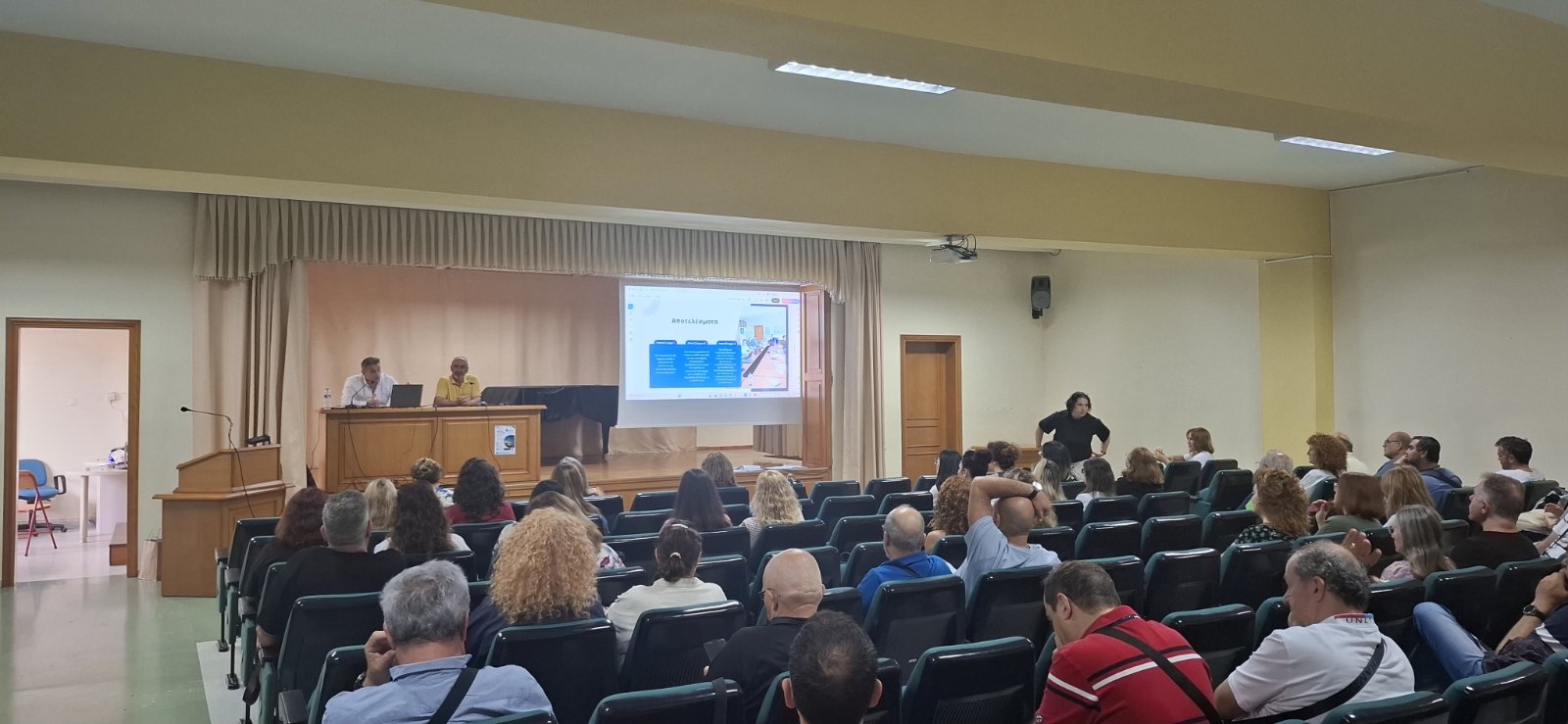
As part of the dissemination strategy of the Erasmus+ KA220 project IMPACT – Increasing Migration and Climate Change Public Awareness through Collaboration and Teaching, a multiplier/dissemination event was organized in Katerini, Greece, on 17 June 2026. The event was hosted by the Katerini Laboratory Center and aimed to present the project's objectives, activities, results, and educational resources to a wider audience.
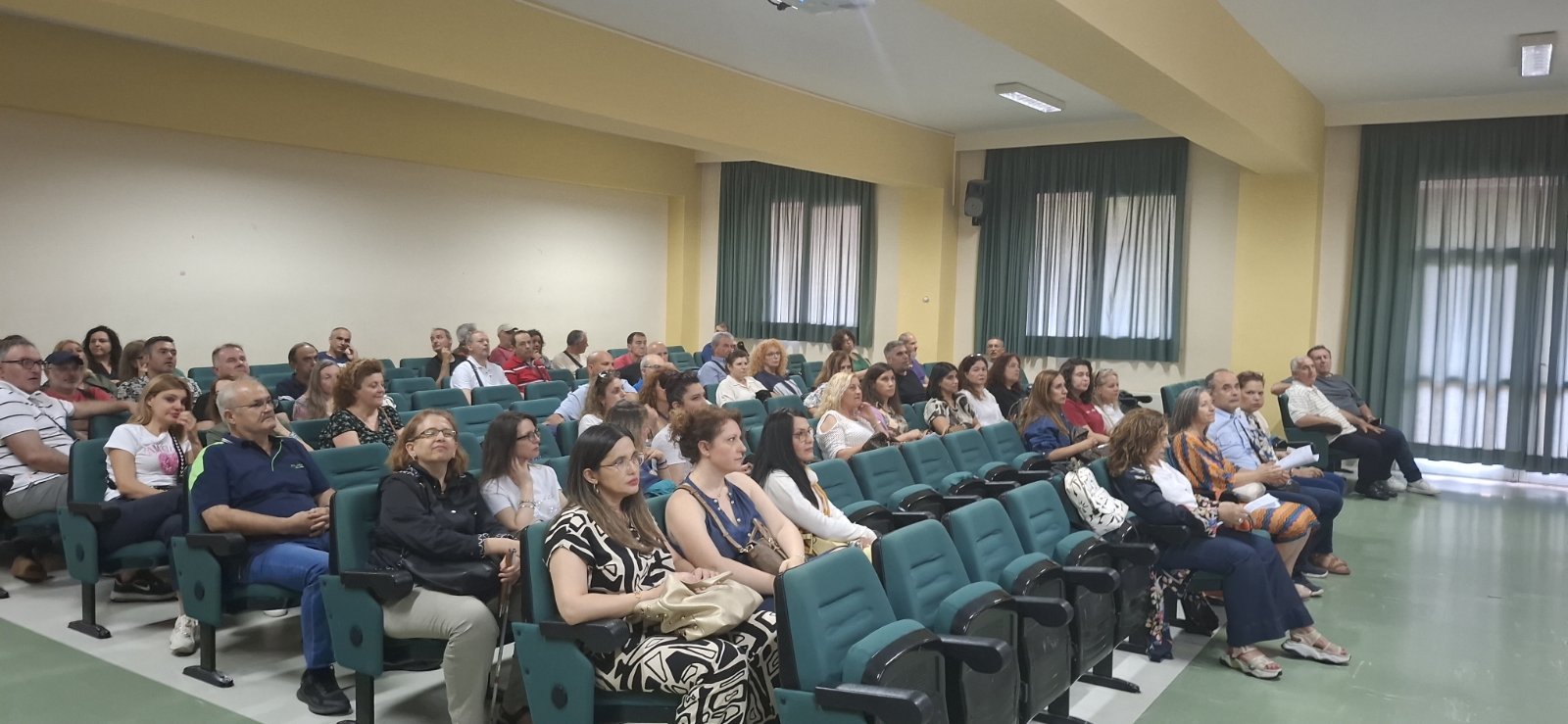
The dissemination activity gathered 96 participants, including teachers, school leaders, vocational education staff, social workers, youth workers, students, and members of the local community. The event provided an opportunity to raise awareness about the relationship between climate change and migration and to promote the educational materials developed within the project.
The IMPACT project is implemented under the Erasmus+ KA220 Cooperation Partnerships programme and brings together organisations from Europe and Africa. The consortium includes educational institutions from Greece and Italy, as well as non-governmental organisations from Belgium, Spain, and Ethiopia.
The project focuses on the Erasmus+ priority “Environment and the Fight against Climate Change” by strengthening awareness and understanding of the impact of climate change on migration patterns. Through educational activities and international collaboration, the project seeks to increase engagement with climate-related migration issues at both organisational and community levels.
The main objectives of the event were:
- To present the Erasmus+ IMPACT project and its achievements.
- To disseminate knowledge regarding climate change as a driver of migration.
- To showcase the educational toolkit and learning resources produced by the project.
- To share experiences and good practices developed through international cooperation.
- To encourage dialogue among educators, youth workers, social workers, and community stakeholders.
- To increase awareness of the social and environmental challenges associated with climate-induced migration.
The dissemination event followed the agenda below:
The European Project IMPACT presented by Mr. Dimitrios Sidiropoulos, Director of the Katerini Laboratory Center.
The presentation introduced the project partnership, objectives, activities, and expected impact on educational communities and society.
The Horn of Africa and the EU Response to Climate-Induced Migration
Presented by Mr. Georgios Papadopoulos, Teacher at the Katerini Laboratory Center.
Participants explored the effects of climate change in the Horn of Africa region and examined the European Union’s response to migration challenges resulting from environmental degradation and climate-related crises.
Toolkit: Understanding the Relationship Between Climate Change and Migration
Presented by Ms. Vasileia Natsiou, Teacher at the Katerini Laboratory Center.
The educational toolkit developed within the project was presented, highlighting practical resources and activities designed to support teachers, youth workers, and social workers in addressing climate migration topics.
Project Activities and International Meetings
Presented by Mr. Dimitrios Sidiropoulos
Participants viewed photographs and videos from project meetings, training activities, and international cooperation events implemented throughout the project.
Discussion and Questions
An interactive discussion session followed, allowing participants to exchange views, ask questions, and reflect on the relevance of climate migration issues within educational and community contexts.
The dissemination event achieved its objectives by:
- Increasing awareness of the links between climate change and migration.
- Promoting understanding of climate-related challenges affecting vulnerable populations.
- Disseminating innovative educational resources developed through the project.
- Encouraging participants to integrate climate migration topics into educational and community activities.
- Strengthening local engagement with European cooperation initiatives and Erasmus+ opportunities.
Feedback received during discussions indicated strong interest in the educational materials and appreciation for the project's contribution to addressing contemporary environmental and social challenges.